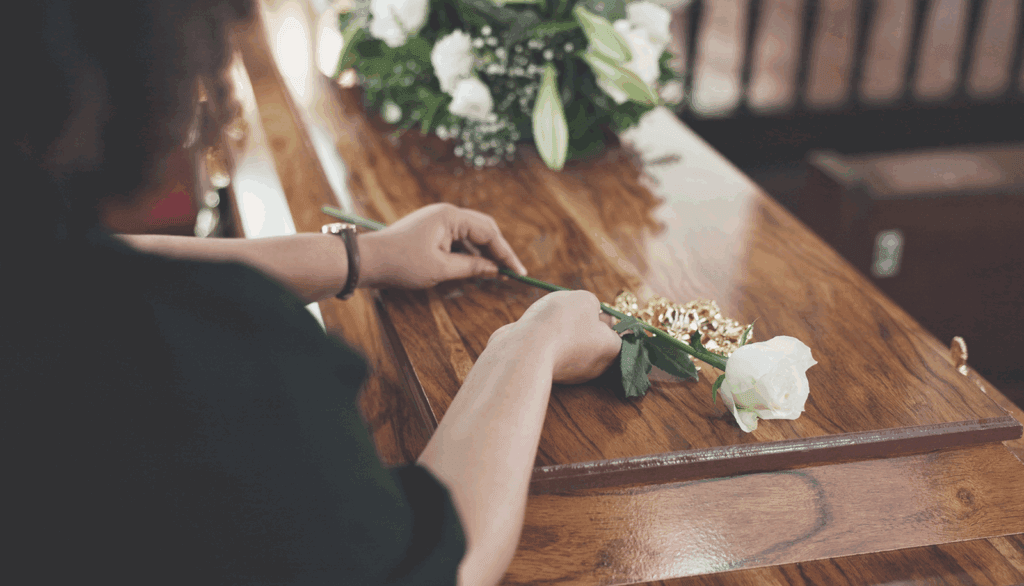
Collection of Ashes After Cremation: What Does It Mean in Practice?

The collection of ashes after cremation refers to the moment when the urn containing the deceased’s ashes is officially handed over to the designated person. In Quebec, the disposition of human ashes is regulated: they must be treated with respect, and their final destination must honor the dignity of the deceased and the family’s choices.
The funeral complex that performed the cremation hands over the ashes to a single person (often the executor, mandatary, or an immediate family member). This person may then decide to keep them in an urn, share them among several keepsake urns, or use them for memorial jewelry, provided that all ashes are placed in the containers designed for this purpose.
A Pivotal Moment in the Grieving Process
Beyond the legal aspect, the collection of ashes after cremation is often an emotional shock. For many, it is at this moment that the loss becomes very real. It is no longer just about administrative procedures: one finds oneself before an urn that represents the beloved person.
This is why it is important that this transition occurs in a calm environment, with a team that takes the time to explain, listen, and support you. At Lachance Funeral Complex, we view this step as a moment of transition: you leave with the urn, but also with a better understanding of the possible options for what comes next, whether it be a ceremony, an interment, a columbarium, or a potential scattering of ashes.

How Does the Collection of Ashes Take Place at Lachance Funeral Complex?
Every family is different, but the collection of ashes after cremation at Lachance Funeral Complex generally follows a few main steps, always adapted to your reality and pace.
Before the Collection of Ashes: Preparation and Communication
Before the appointment, our team communicates with you to explain how the collection will proceed:
- who must be present to officially receive the urn;
- which documents might be useful to bring;
- what your preferences are (a very intimate moment, presence of a few close relatives, a short ritual, etc.);
- an idea of the time to allow to experience this moment without rushing.
You may also take this opportunity to ask your questions about costs, the possibilities of a tribute at the funeral home or church, and ways to dispose of the ashes later.
Welcome at the Funeral Home and Compassionate Support
On the day of the ash collection, you will be welcomed at the complex by a member of our team. We will guide you to a quiet place, away from noise and commotion, where you can take time to breathe and compose yourself.
The urn is prepared in advance, clearly identified, and we ensure with you that the information corresponds correctly to the deceased. If you wish, it is possible to take a few moments of contemplation, in silence or with a text, a prayer, a meaningful song. Even if you do not wish to organize a “grand” ceremony, these few minutes structured around the collection of ashes after cremation can make a significant difference in the experience of grief.
Handover of the Urn and Practical Explanations
Once ready, we proceed with the official handover of the urn to the designated person. We take the time to explain to you:
- how to handle the urn safely;
- what to know if you plan to travel (by car, by plane, to another region);
- the possible options for what comes next (interment, columbarium, home keeping, potential scattering, etc.);
- the administrative aspects not to forget (documents, possible benefits, insurance, etc.).
You leave the ash collection with concrete answers and clear directions for what comes next, rather than just a container left in your hands.
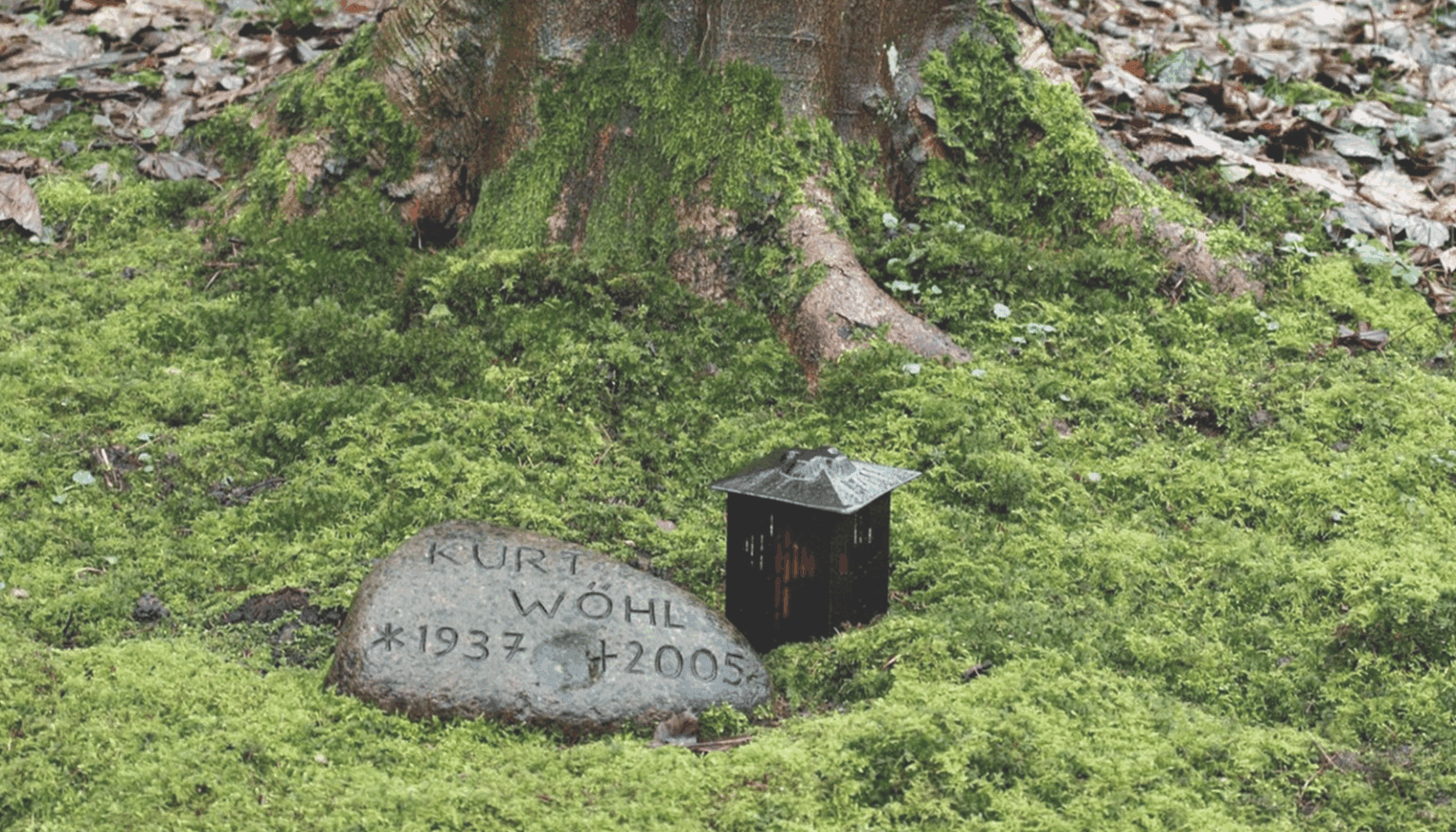
What to Do After the Collection of Ashes After Cremation?
Once the collection of ashes after cremation has taken place, you are not obligated to immediately decide on the final destination of the ashes. In Quebec, several possibilities are available to you, and it is perfectly acceptable to take some time to reflect on them.
Keeping the Urn at Home
Some families choose to keep the urn at home, at least for a period. This can provide a certain comfort, especially in the first months following the death. If this is your choice, we can advise you on:
- the type of urn (wood, metal, ceramic, glass, etc.);
- where to place it in the home;
- how to create a small, discreet, and respectful memorial corner.
Interment or Columbarium
Others prefer that the urn have a specific resting place: a plot in a cemetery for interment, or a niche in a columbarium. This type of location offers a clear landmark for the family, anniversaries, and memorial rituals.
The Lachance Funeral Complex can assist you in choosing a cemetery, coordinating procedures, and organizing a brief moment of contemplation at the time of interment or inurnment. You do not have to manage these details alone.
Scattering Ashes in Nature
The scattering of ashes is another possible option, especially when a place holds great symbolic value for the deceased or for the family. However, it must be done in compliance with laws and environmental regulations, and in a manner that remains dignified and respectful.
If scattering is part of your values or those of the deceased, we can explain best practices, sometimes necessary authorizations, and the possibilities of using a biodegradable urn to make a gesture that is both symbolic and respectful of nature.
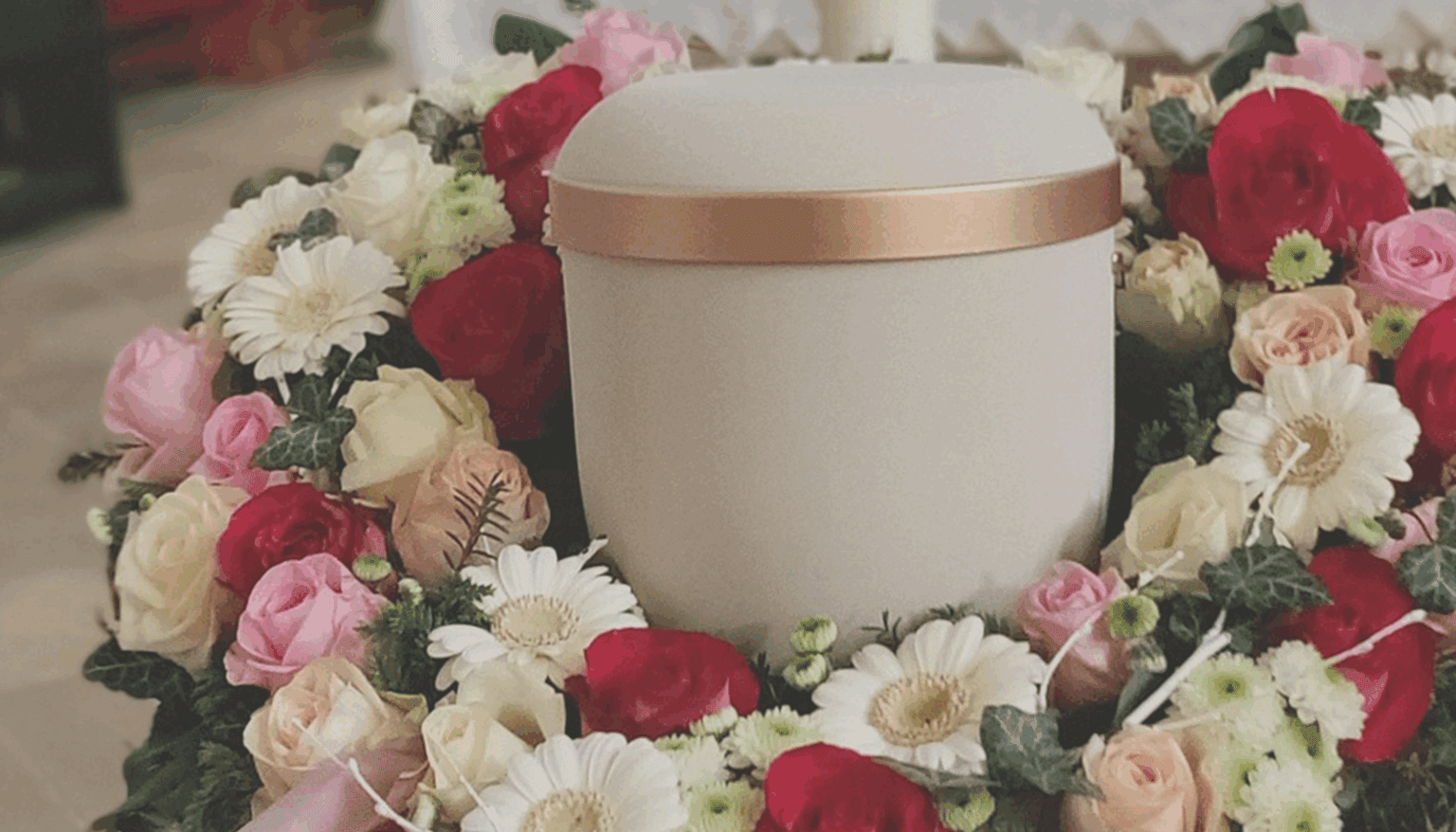
Collection of Ashes, Costs and Possible Financial Aid
The question of costs often arises at the time of cremation and the collection of ashes after cremation. Our team takes the time to clearly explain what is included in our services: care of the deceased, administrative procedures, cremation, basic urn, support for ash collection, and additional options according to your needs.
Beyond funeral expenses, financial aid is sometimes available to alleviate the cost. For example, depending on the deceased’s situation, a benefit may be paid by certain public programs (such as the Quebec Pension Plan). To obtain up-to-date and official information, it is recommended to consult directly:
- Retraite Québec, for death benefits related to the Quebec Pension Plan;
- Quebec.ca, for assistance programs and procedures after a death.
At Lachance Funeral Complex, we can direct you to these resources, help you understand the forms, and provide you with the necessary documents for your applications, so that cremation and the collection of ashes after cremation can be experienced with as little financial stress as possible.
Preparing for the Collection of Ashes After Cremation
Preparing for the collection of ashes after cremation means preparing for both an administrative and an emotional moment. Here are some guidelines to assist you.
Choosing Who Will Be Present
Consider who should be present during the collection: only the person designated to receive the urn, a spouse, an adult child, a few close relatives? There is no universal “right” answer. The important thing is that you feel comfortable and supported.
Considering the Type of Ritual That Resonates with You
You can experience the ash collection in a very simple way (a few words, silence) or add a short ritual: reading a text, playing a song, lighting a candle, saying a prayer. We can suggest ideas for simple rituals adapted to your beliefs, whether they are religious, spiritual, or more secular.
Preparing Questions to Ask
Before coming to the funeral home, make a note of the questions you have in mind:
- What are the options for the urn (models, materials, budget)?
- What steps should I take if I want an interment later?
- How does reserving a niche in the columbarium work?
- What are the rules if I eventually want to scatter the ashes?
- Is there financial aid available for my situation?
The clearer your questions, the more precise and tailored answers our team can provide for your situation.
Personalized Rituals Surrounding the Collection of Ashes
Funeral practices in Quebec have evolved significantly over the years. Today, cremation is often the preferred option, but the ways of paying tribute are increasingly varied and personalized.
At Lachance Funeral Complex, we encourage families to create rituals that resonate with them around the collection of ashes after cremation:
- a small moment of contemplation at the funeral home with music and photos;
- a blessing or a symbolic gesture (placing a flower, a note, a meaningful object);
- a more formal gathering with family and friends to share memories;
- a more comprehensive ceremony at the funeral home, church, or another chosen location, with the urn present.
These rituals can be observed at the time of ash collection or later, depending on what best suits your family.
How Long After Cremation Are Ashes Collected?
Generally, the collection of ashes after cremation takes place within days or weeks, depending on the volume of cases, family availability, and urn preparation time. During the funeral arrangements, we will discuss a realistic timeframe with you and schedule an appointment that suits you.
Is It Possible to Divide the Ashes Among Several Loved Ones?
Yes, it is possible to distribute the ashes into several containers: main urn, keepsake urns, memorial jewelry, etc. However, the collection of ashes after cremation is officially made to a single designated person, who will then decide, with the family, how to share them, always respecting the dignity of the deceased.
Do I Have to Decide the Final Destination of the Ashes Immediately?
No. The collection of ashes after cremation does not obligate you to immediately decide on interment, columbarium placement, or scattering. Many families take a few weeks or months to reflect, discuss with their loved ones, and choose what makes the most sense emotionally, financially, and for the family.
What if I Feel Overwhelmed by All These Decisions?
It is very common to feel overwhelmed. You are not obligated to know everything or to organize everything alone. A simple call or meeting with our team can already help you gain clarity: we will calmly review the steps, cremation, the collection of ashes after cremation, possible options, and costs, according to your situation.